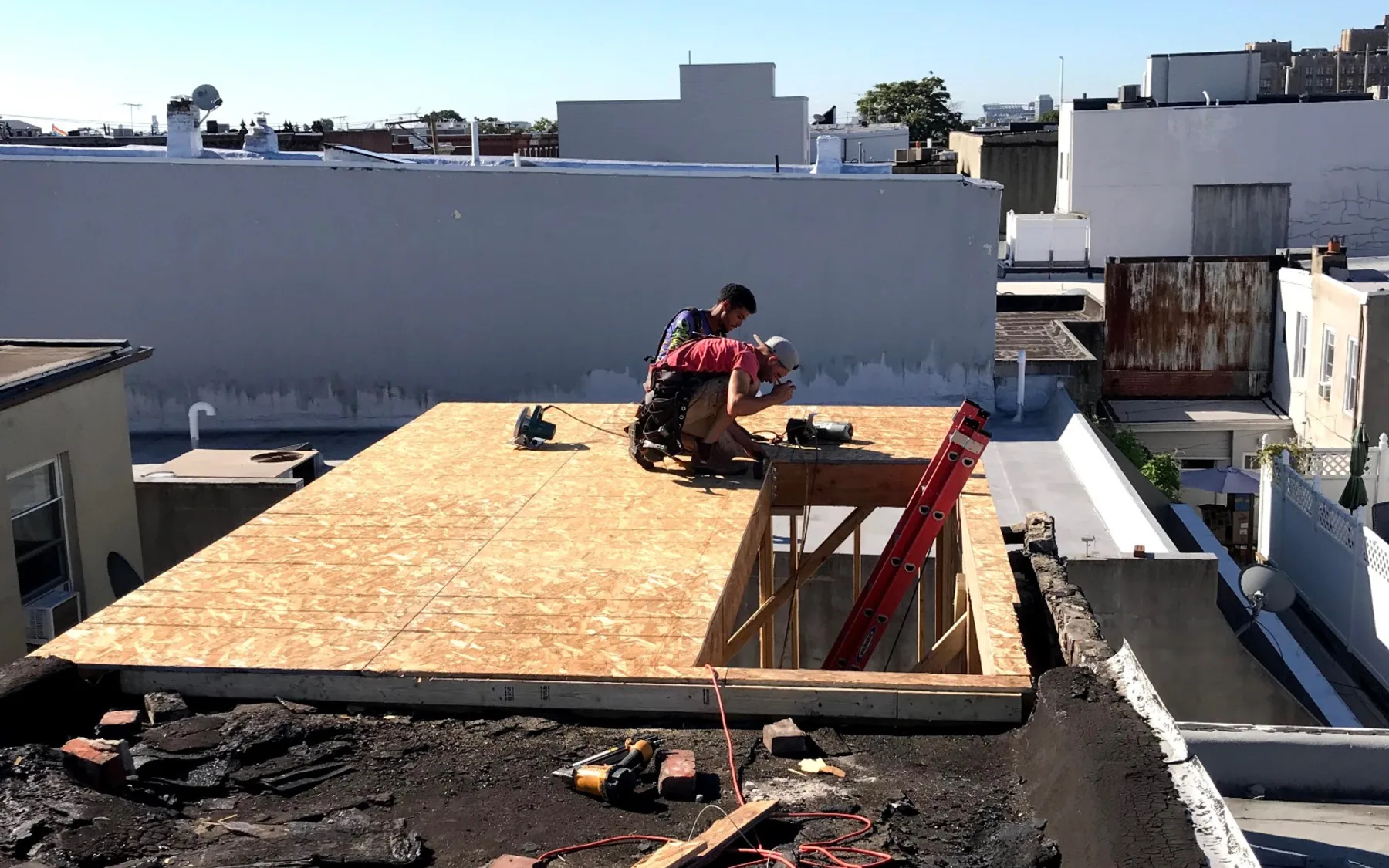
Urban property development framing and construction

Start with the right questions.

From the FounderPractical tools before capital is committed.
A property decision gets expensive when the questions are asked in the wrong order.

These templates are designed from the perspective of an active developer and builder—not as generic real estate worksheets. They help investors distinguish facts from assumptions, identify the professionals who must verify the deal, and create a disciplined record of why a property should move forward.

Use them before the design is fixed, before a renovation budget becomes a promise, and before a low land price is mistaken for a viable development opportunity. The objective is a stronger starting point and a cleaner handoff to attorneys, architects, engineers, lenders, brokers, inspectors, and contractors.

Stephen Brooks
Founder & CEO, Luxline Developers

Free investor resource series

Three tools for three early development decisions.

Each download is Luxline-branded, property-focused, and built to be used—not merely read.

01Excel workbook

Property Acquisition + Renovation Underwriting

Model total project basis instead of stopping at purchase price and a rough renovation estimate. The workbook separates acquisition, system-level scope, contingency, financing, carrying cost, disposition, return thresholds, field observations, and active risks.

  • Acquisition and exit assumptions
  • Renovation scope by building system
  • Financing and carrying-cost formulas
  • Deal summary and preliminary investment gate
  • Risk register and site-visit log
Download Excel workbook
02PDF guide

Vacant Lot Development Due Diligence

Screen a parcel for the issues that can invalidate the development thesis before substantial capital is committed. The guide focuses on site control, buildable envelope, utilities, environmental and geotechnical exposure, approvals, residual land basis, and go/no-go documentation.

  • Title, access, easement, and parcel controls
  • Zoning and dimensional review
  • Utility and site-infrastructure checklist
  • Residual land-value framework
  • Investment committee decision record
Download PDF guide
03PDF planning brief

Preliminary Development Investment Plan

Turn an address or investment idea into a coordinated working hypothesis. This planning brief aligns the investment thesis, intended user, existing conditions, scope, budget basis, milestones, long-lead decisions, risk controls, and formal development gate.

  • Investment thesis and customer outcome
  • Existing-condition verification plan
  • Scope definition by building system
  • Budget, milestone, and long-lead framework
  • Risk register and development approval gate
Download PDF plan
Use the tools in sequence

Verify the property before refining the vision.

A good concept is not enough. The property, approvals, capital structure, schedule, and exit must support it.

01

Screen

Identify the property-control, zoning, access, utility, structural, environmental, and financial conditions that can create a fatal flaw.

02

Underwrite

Build a total project basis with realistic contingency, financing, carrying cost, professional fees, and disposition assumptions.

03

Verify

Assign each important assumption to a qualified professional, source, authority, and decision date.

04

Decide

Proceed, revise, renegotiate, or stop based on documented conditions—not momentum or sunk cost.

Move from planning to a property conversation

Have a property that needs a development path?

Bring the address, the completed template, and the outcome you are considering. Luxline can help frame the next practical conversation.